
Apex 4B & 6B
Two resins for the core EV workflow
Choose by sample complexity. Pore size sets the balance, 6B’s smaller pores maximize yield, 4B’s larger pores minimize protein co-elution. Same intact EVs, either way.
- >90% EV recovery (6B) · >99.99% albumin depletion (4B)
- 20 nm and 35 nm pore-size resins
- Available in column and 24-well plate formats
- Run manually or automate on Ascent & Summit instruments
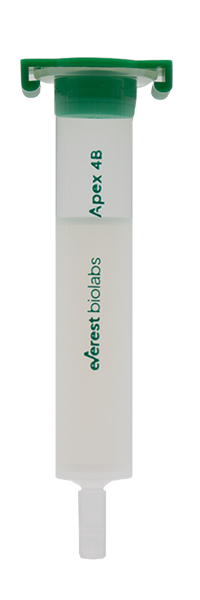 4B
4B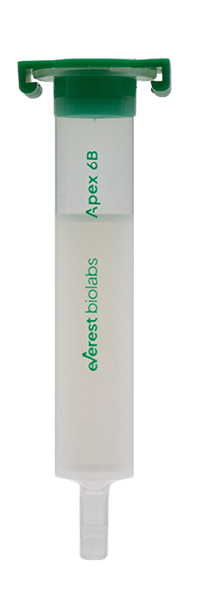 6B
6B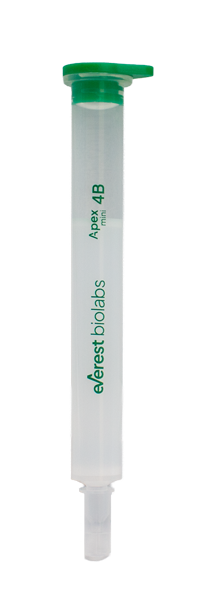 4B mini
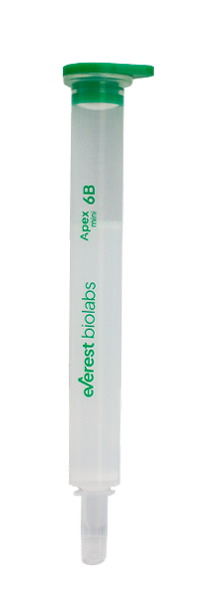 6B mini
Yield and purity, side by side
The difference is how many vesicles you keep versus how much lipoprotein you remove.
Apex 6B · Highest EV yield
Optimized for the highest total EV recovery from low-complexity samples.
Apex 4B · Highest purity
Optimized for high purity and the lowest protein co-elution against secreted proteins.
| Apex 6B | Apex 4B | |
|---|---|---|
| Optimized for | Highest yield | High purity |
| EV recovery | >90% | >70% |
| Albumin (HSA) depletion | >99.9% | >99.99% |
| HDL (ApoA1) depletion | >99% | >99.9% |
| Lipoprotein (ApoB) depletion | 40% | >80% |
| Pore size / resin | 20 nm | 35 nm |
| Sample volume | 0.1–1.0 mL | |
Choose 6B when…
- Maximizing vesicle recovery is the priority
- Low-complexity samples: serum-free CCM, urine, CSF
Choose 4B when…
- You need higher purity from complex biofluids
- Lipoproteins aren’t the limiting contaminant
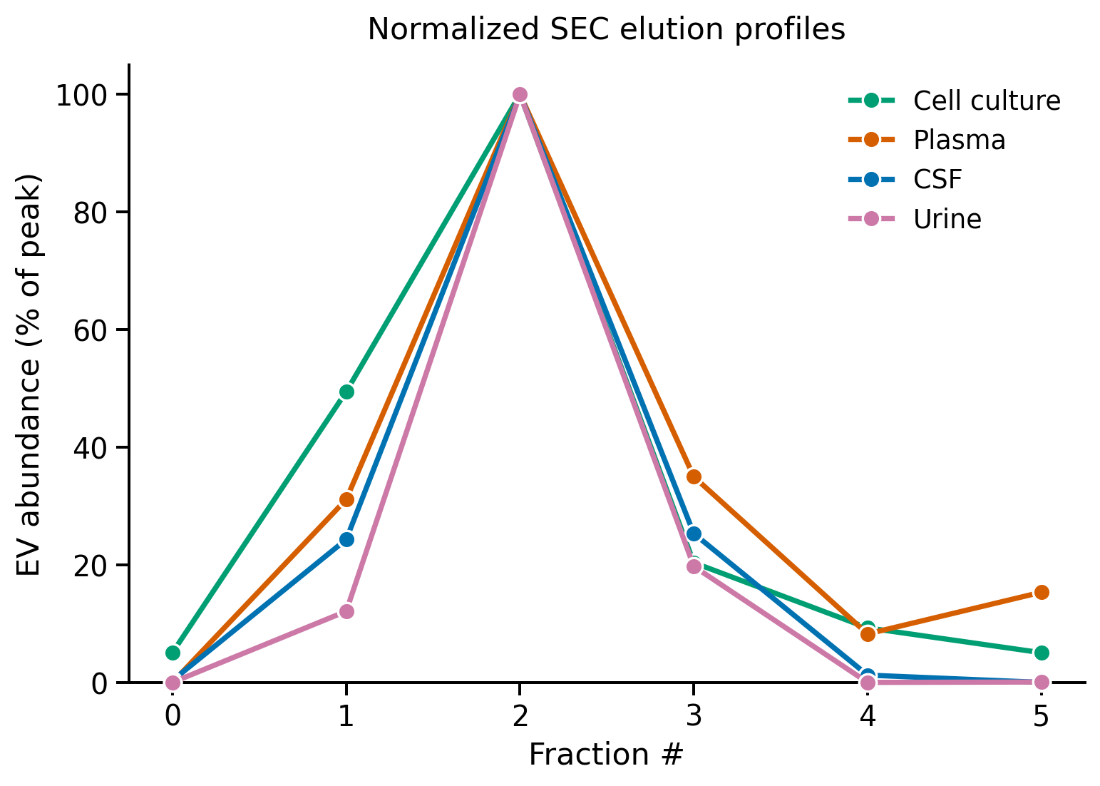
Consistent EV isolation across biofluids
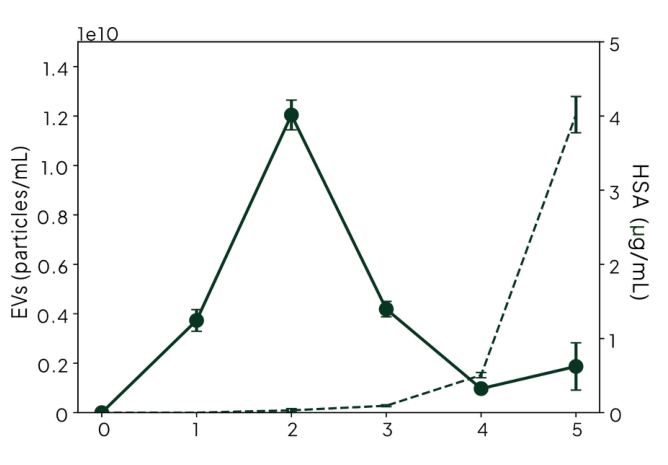
Whatever the starting sample, EVs elute in fractions 1–3 while free protein and lipoproteins trail behind, so a single early collection window delivers a clean, reproducible isolate from cell culture to plasma, CSF and urine.
Clean separation from plasma
Same window, every biofluid
Column and 24-well plate elution profiles
Column or plate
Same separation, single column or 24-well plate
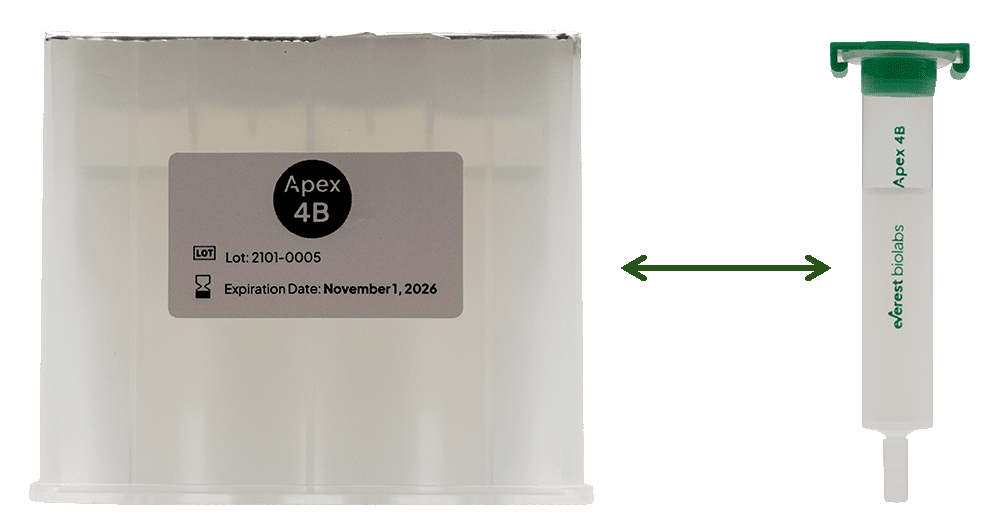
Run Apex as single columns or as a 24-well plate to match your project. Both share the same bed volume and resin, so the formats are interchangeable and deliver equivalent EV separation.
- Single columns and 24-well plates are designed to be interchangeable
- Single columns run on Ascent and Summit; plates run on Summit
- Available in 4B and 6B formats
4.62×10⁹
EVs collected per column
4.62×10⁹
EVs collected per plate well
0.1%
difference, column vs plate
2.2%
CV across all 8 runs
Apex-isolated EVs: pure and intact
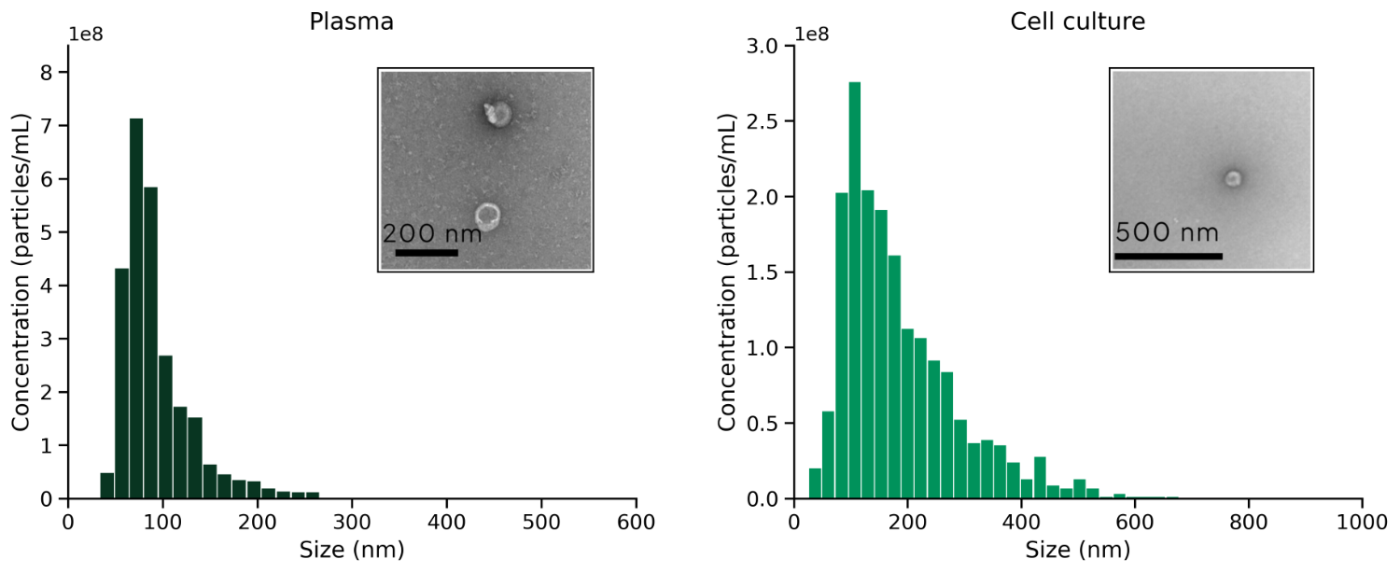
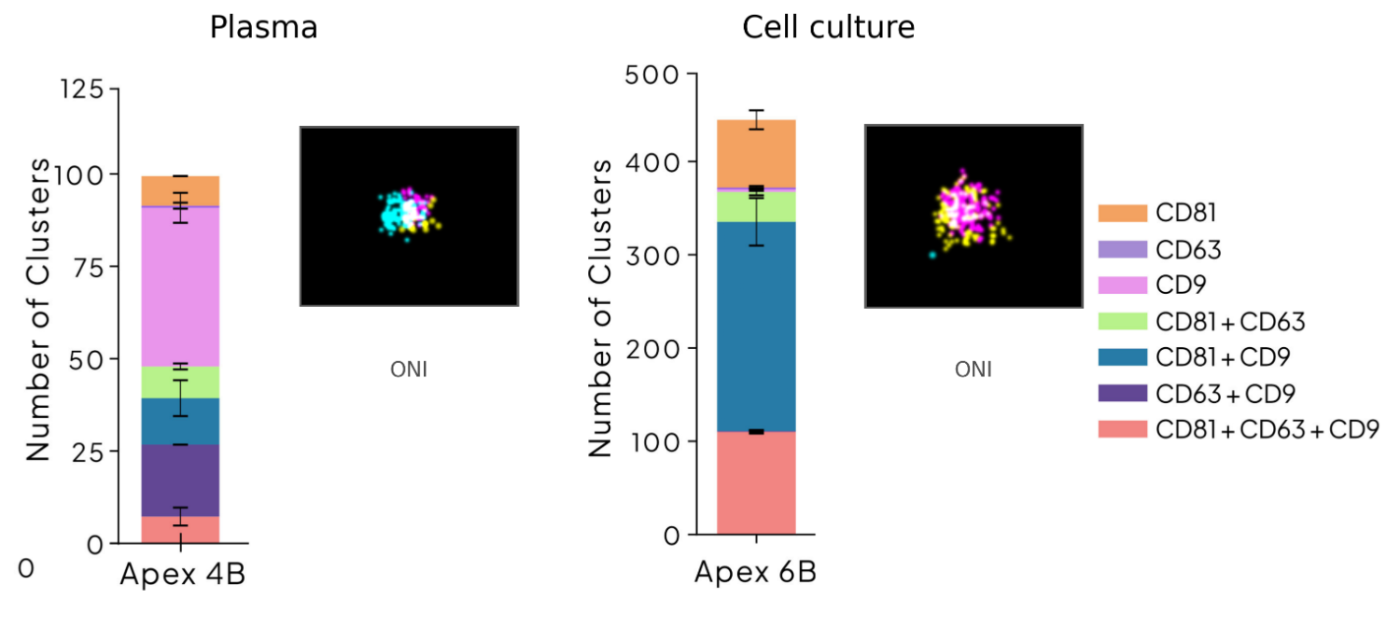
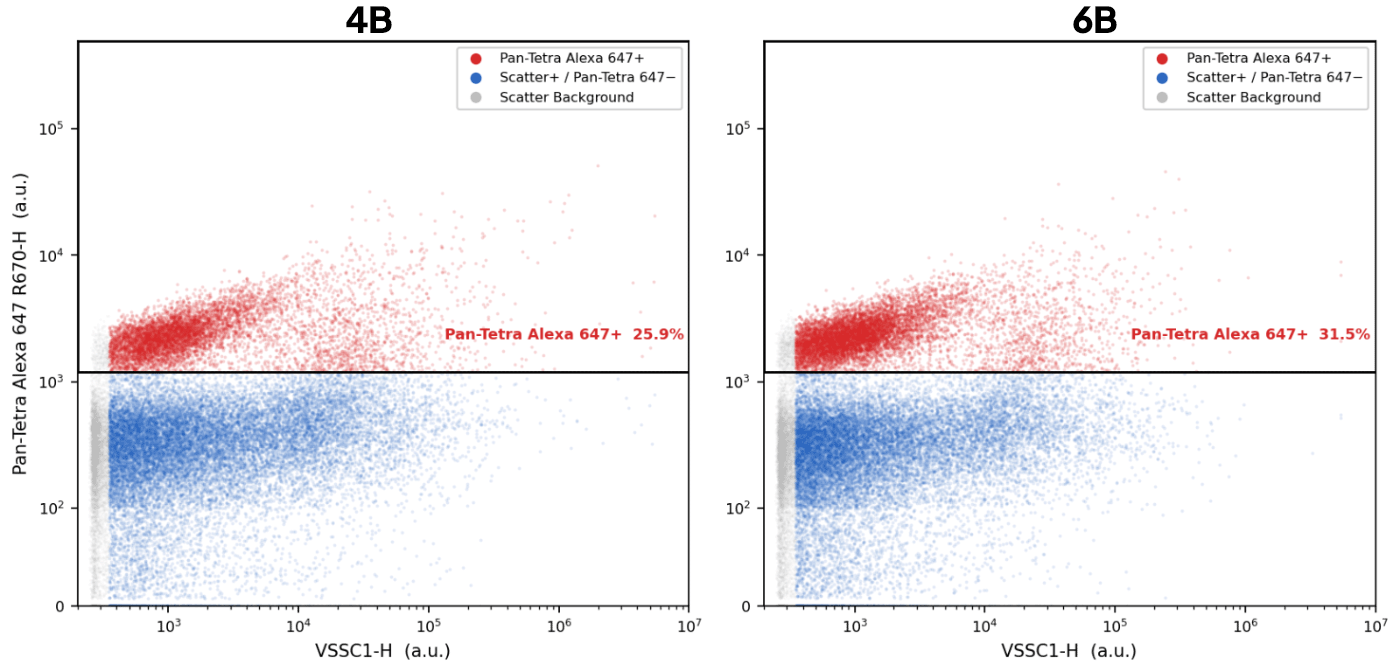
EVs isolated from plasma and cell culture, characterized by super-resolution imaging (ONI), NTA (Particle Metrix), TEM, and flow cytometry (Cytoflex nano).
Right size, intact morphology
Canonical tetraspanins, co-expressed
A distinct pan-tetraspanin-positive population
Reuse data
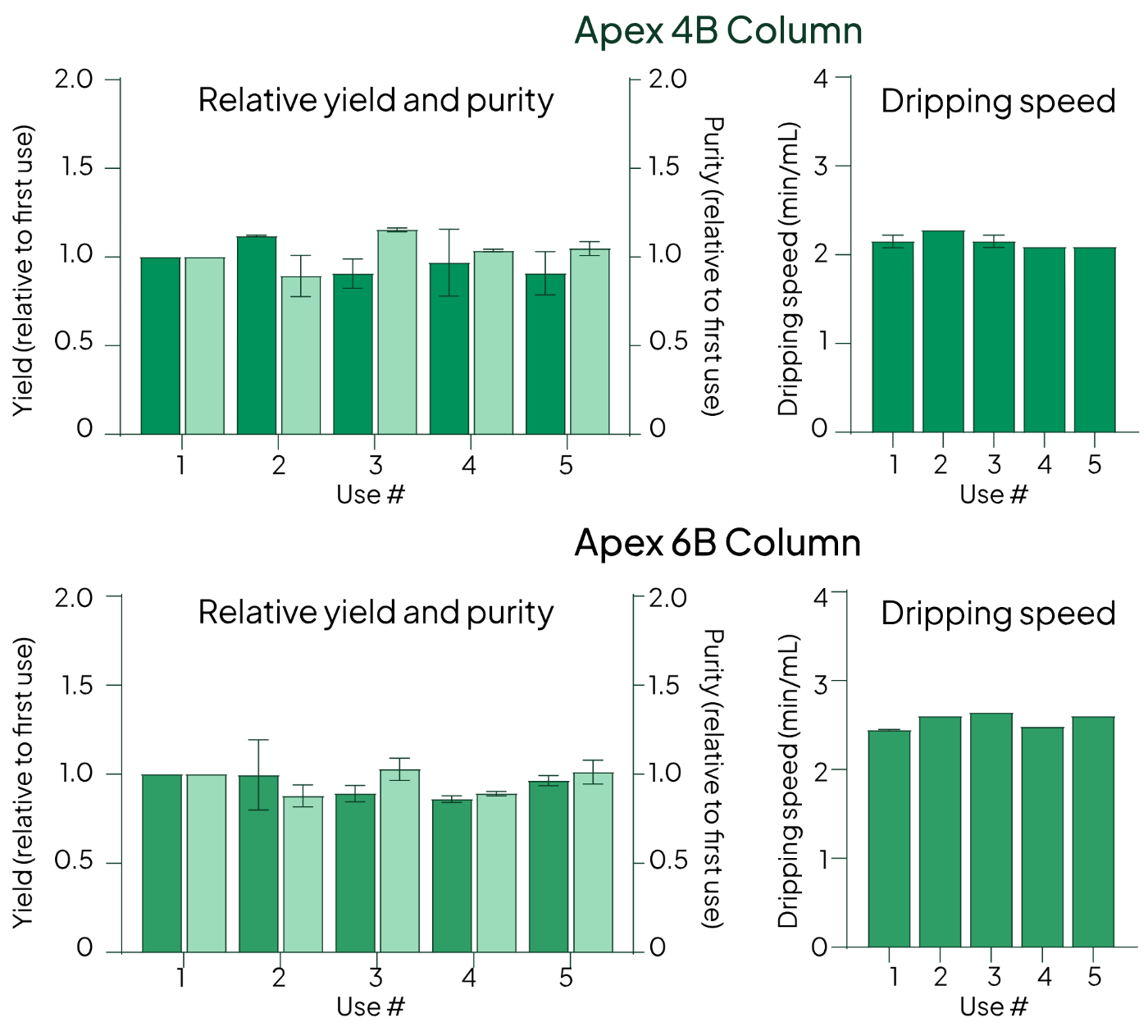
Consistent across reuses
Apex maintains EV yield and drip speed for up to 5 reuses, wash with NaOH then 1× PBS between runs and the elution profile holds steady.
5
reuses per column
<10%
CV in EV yield
0.5 mL plasma, fractions 1–3; EVs and HSA measured by Atlas ELISA.
Technical specifications
Specifications & formats
| Specification | Apex 6B | Apex 4B |
|---|---|---|
| Resin type | Size-exclusion (SEC) | |
| Pore size | 20 nm | 35 nm |
| Bed volume | 9.0 mL (standard column & 24-well plate) · mini 3.3 mL | |
| Sample volume | Standard column 0.5–1.0 mL · mini 0.1–0.3 mL | |
| Formats | Single column, mini, and 24-well plate | |
| Reuses per column | Up to 5 | |
| Compatible instruments | Ascent (columns) · Summit (plates & columns) | |
| Validated biofluids | Cell culture, plasma, serum, urine, CSF | |
Application notes
Latest Apex application notes


FAQ
Frequently asked questions
How many times can Apex columns be used?
We have tested Apex 4B/6B columns for up to 5 uses.
What is the repeatability of isolation after regeneration cycles?
Apex columns have less than 10% CV in EV yield for up to 5 uses when measured with the Atlas EV ELISA. We developed a tightly controlled manufacturing process to ensure the most repeatable columns.
Should I use Apex MM, 6B, or 4B?
Apex MM is optimized for maximum EV purity in plasma and serum, ideal for unbiased assays like mass spec and flow cytometry. Apex 6B is optimized for the highest total EV recovery, ideal for targeted analysis such as immunoassays, label-based imaging and flow, western blots, and surface-marker pull-down. Apex 4B is optimized for the highest purity, ideal for unbiased analysis including proteomics and RNA-seq.
Does the entire plate need to be used at one time?
No. The plate seal can be cut to use only 4 wells at a time, and the Summit instrument allows skipping used wells, so you can maximize the utility of every Apex plate.
Contact us
Not sure whether to pick 4B or 6B?
Tell us about your sample type and downstream assay, and our scientists will help you choose between 4B and 6B and share a protocol to get you started.